
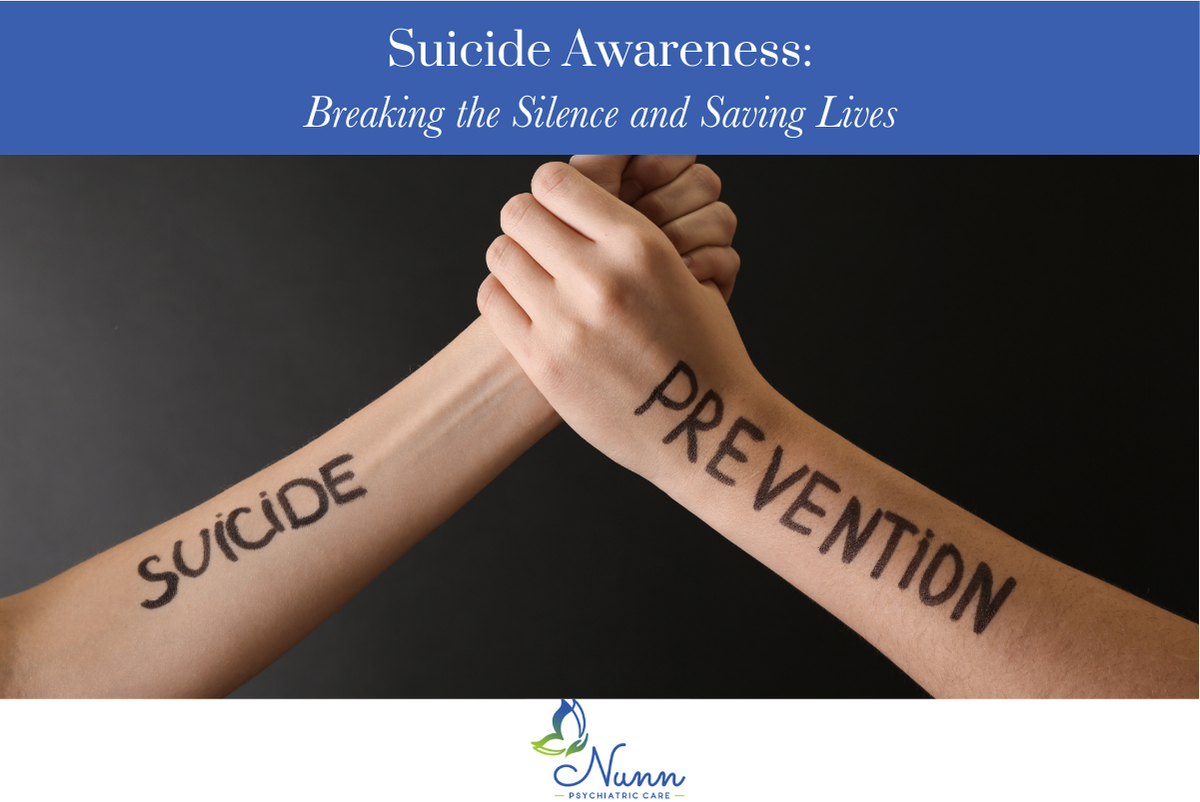
 Suicide is a difficult topic, but it’s one we must address openly and honestly to save lives. Every year, millions of people around the world contemplate or attempt suicide, and many tragically succeed. Suicide doesn’t discriminate—people of all ages, genders, and backgrounds can be affected. By raising awareness, reducing stigma, and encouraging supportive conversations, we can help prevent suicide and offer hope to those in need. At Nunn Psychiatric Care, we are committed to providing resources and support for individuals facing mental health challenges and for those impacted by suicide.
Understanding Suicide: Causes and Risk Factors
Suicide is often the result of a complex interplay of factors, including mental health conditions, life stressors, and overwhelming emotional pain. It is important to understand that suicidal thoughts are not a sign of weakness or a failure to cope; rather, they are a sign that someone is experiencing significant distress and needs help.
Common Causes and Risk Factors Include:
- Mental Health Disorders: Depression, anxiety, bipolar disorder, schizophrenia, and post-traumatic stress disorder (PTSD) can contribute to suicidal thoughts and behavior.
- Substance Abuse: The use of alcohol and drugs can increase the risk of suicide, particularly in individuals with co-occurring mental health conditions.
- Chronic Pain or Illness: Individuals living with chronic pain or severe illness may experience feelings of hopelessness and despair, leading to suicidal thoughts.
- Trauma and Abuse: Experiences of trauma, abuse, neglect, and bullying can heighten the risk of suicide, especially if left unaddressed.
- Social Isolation: Loneliness and a lack of social support are significant risk factors for suicide, particularly among older adults and individuals who have experienced the loss of loved ones.
- Financial or Legal Problems: Economic hardships and legal troubles can contribute to feelings of helplessness and trigger suicidal ideation.
Warning Signs of Suicide
Recognizing the warning signs of suicide is crucial for early intervention. While not everyone who is contemplating suicide will show clear signs, there are some common indicators that someone may be in distress:
- Verbal Cues: Statements such as “I wish I were dead,” “Life isn’t worth living,” or “I won’t be around much longer” should always be taken seriously.
- Behavioral Changes: Withdrawal from friends and family, giving away possessions, reckless behavior, or an unusual preoccupation with death may indicate suicidal thoughts.
- Mood Shifts: Sudden shifts in mood, such as moving from deep sadness to an unexpected sense of calm or happiness, can be a warning sign that someone has made a decision to attempt suicide.
- Hopelessness: Expressing a sense of hopelessness, feeling trapped, or believing that there’s no way out of their situation can be red flags.
How to Help Someone Who May Be Suicidal
If you believe someone is at risk of suicide, it’s important to act quickly. Here are some steps you can take to help:
- Talk Openly: Ask them directly if they are thinking about suicide. This can feel uncomfortable, but it won’t put the idea in their head. In fact, it can relieve some of the emotional burden they may be carrying in silence.
- Listen Without Judgment: Let them share their thoughts and feelings without trying to offer immediate solutions. Empathy and understanding are key.
- Encourage Professional Help: Suggest they talk to a mental health professional, such as a therapist, psychiatrist, or counselor. You can also offer to help them find resources or accompany them to an appointment.
- Stay With Them: If the risk of suicide seems imminent, don’t leave them alone. Stay with them and help them remove access to any lethal means, such as firearms, medications, or sharp objects.
- Call for Help: In an emergency, call 911 or take them to the nearest emergency room. You can also contact the National Suicide Prevention Lifeline at 1-800-273-8255 for immediate assistance.
Suicide Prevention: How to Reduce the Risk
Preventing suicide requires a multi-faceted approach that includes raising awareness, reducing stigma around mental health, and improving access to care. Some key strategies include:
- Promote Mental Health Awareness: Encourage open conversations about mental health and provide education on the signs and symptoms of mental health disorders.
- Foster Strong Relationships: Building supportive relationships with family, friends, and community members can help reduce feelings of isolation and provide a safety net for those in need.
- Advocate for Mental Health Care: Ensure that individuals have access to mental health services, including therapy, medication management, and crisis intervention.
- Create a Safety Plan: For individuals at risk, creating a safety plan with their healthcare provider can help them identify triggers, coping strategies, and contacts they can reach out to during times of crisis.
Suicide Awareness Q&A
Q: What should I do if someone tells me they’re thinking about suicide?
A: The most important thing is to take them seriously. Listen to them without judgment, express your concern, and encourage them to seek professional help. If they are in immediate danger, stay with them and call for emergency assistance.
Q: Is suicide preventable?
A: Yes, suicide is often preventable with the right interventions. Early detection of warning signs, access to mental health care, and strong social support can significantly reduce the risk of suicide.
Q: How can I support someone who has lost a loved one to suicide?
A: Offer a listening ear, avoid judgment or making assumptions, and allow them to grieve in their own way and time. Encourage them to seek counseling or join a support group for survivors of suicide loss.
Q: Is it true that talking about suicide can make it worse?
A: No, talking about suicide does not encourage it. In fact, open discussions about suicidal thoughts can help reduce the stigma and encourage individuals to seek help before it’s too late.
Q: How can I protect myself or a loved one from suicide?
A: Take steps to promote overall mental health and well-being. Maintain strong connections with others, avoid substance abuse, and seek help when struggling with mental health issues. Encourage regular check-ups with a healthcare provider and stay attuned to any warning signs that may indicate someone is at risk.
Seeking Help at Nunn Psychiatric Care
At Nunn Psychiatric Care, we understand the complexities of mental health and the importance of addressing suicidal thoughts early. We are here to support individuals struggling with mental health conditions, offering comprehensive psychiatric care, counseling services, and crisis intervention.
If you or someone you know is experiencing thoughts of suicide, don’t wait to seek help. Reach out to us today, and let us guide you toward the care and support you need.
Nunn Psychiatric Care 113 Lincoln Dr
Hodgenville, KY 42748
Phone: (270) 358-6221
You are not alone—help is available. Together, we can prevent suicide and create a brighter, more hopeful future for everyone.
National Suicide Prevention Lifeline: 1-800-273-TALK (8255)
Crisis Text Line: Text “HELLO” to 741741