
Post-traumatic stress disorder can affect anyone after a traumatic experience. With compassionate care and professional support, healing is possible.
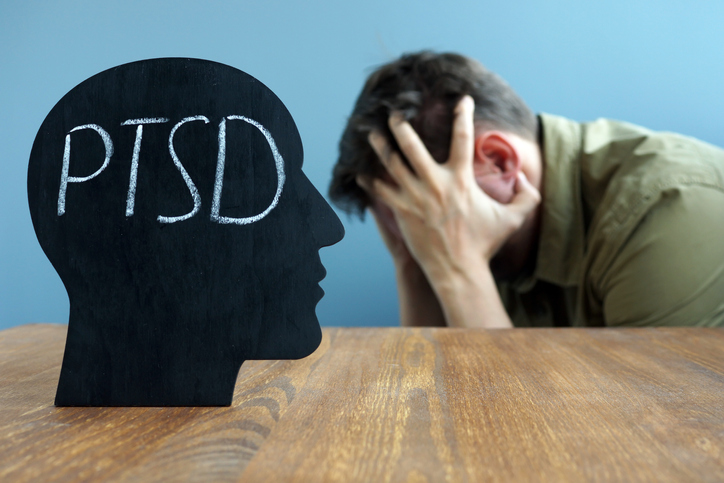
PTSD is a mental health condition that can develop after experiencing or witnessing a traumatic or life-threatening event. While PTSD is commonly associated with military service, it can affect people of all ages and backgrounds.
According to the National Institute of Mental Health (NIMH) , PTSD may develop after events such as assault, accidents, natural disasters, violence, or learning that a loved one experienced serious harm.
Many people experience distress after trauma, but symptoms typically fade with time. PTSD is diagnosed when symptoms persist or worsen and interfere with daily life.
Flashbacks, nightmares, or unwanted memories that cause you to relive the event and experience intense emotional distress.
Persistent fear, guilt, shame, depression, or emotional numbness that affects relationships and self-perception.
Avoiding people, places, conversations, or activities that remind you of the trauma.
Feeling constantly on edge, easily startled, irritable, or having trouble sleeping or concentrating.
The American Psychological Association (APA) explains that PTSD can affect both mental and physical health if left untreated.
PTSD treatment often includes a combination of medication management and therapy. During your initial telemedicine appointment, your provider will discuss your symptoms, triggers, and personal history to develop an individualized treatment plan.
While there is no single medication that cures PTSD, medications can help relieve associated symptoms such as depression, anxiety, anger, or sleep disturbances. The U.S. Department of Veterans Affairs notes that medication can be an effective part of PTSD care when appropriately managed.
Therapy plays an important role in helping individuals process trauma, develop coping strategies, and regain a sense of safety and control.
Yes. PTSD treatment, including medication management and follow-up care, can be effectively provided through secure telemedicine appointments.
Yes. Nunn Psychiatric Care provides medication management to help relieve PTSD-related symptoms such as anxiety, depression, and sleep problems.
Some people recover naturally over time, but many benefit from professional treatment to reduce symptoms and prevent long-term effects.
We serve patients in Hodgenville, KY, and surrounding areas including Elizabethtown, Bardstown, and Louisville through telemedicine.
If PTSD symptoms are affecting your life, support is available. Complete the form below to request a confidential telemedicine appointment.